

The best toothpaste for toddlers is usually a low-fluoride children’s toothpaste with around 500–550ppm fluoride, used from 18 months of age with adult supervision and a small pea-sized amount.
Choosing toothpaste for a toddler can feel harder than it needs to be. Some children hate mint. Some want a fun flavour. Some swallow more toothpaste than they spit out. Parents also need to think about fluoride, age recommendations and how to build a brushing routine that actually lasts.
The right toddler toothpaste does 3 things well. It protects baby teeth, feels gentle in a young mouth and makes brushing easier to repeat every morning and night.
Toddlers from 18 months to around 5 or 6 years generally use low-fluoride children’s toothpaste. These toothpastes usually contain less fluoride than adult toothpaste, which makes them more suitable for young children when used correctly.
For children under 18 months, Australian oral health guidance generally recommends brushing with water only, unless a dental practitioner gives different advice. From 18 months, a small pea-sized amount of low-fluoride toothpaste can be introduced.
Parents should supervise brushing, use only a small amount of toothpaste and encourage children to spit out after brushing. Toothpaste should always be kept out of reach, especially if your toddler likes the taste.
The best toddler toothpaste comes down to 4 main factors: fluoride level, flavour, texture and brushing habits.
Feature | What To Look For | Why It Matters |
Fluoride level | Around 500–550ppm fluoride for most toddlers over 18 months | Supports enamel strength and decay prevention |
Flavour | Mild fruit, vanilla or gentle mint | Helps toddlers accept brushing |
Texture | Smooth and gentle | Reduces fussiness and discomfort |
Use | Small pea-sized amount with supervision | Supports safe, consistent brushing |
A toddler toothpaste does not need to be strong, foamy or intensely minty. A gentle flavour often works better because toddlers are still learning to accept the feeling of brushing.
The best toddler toothpaste is the one that suits your child’s age, flavour preference and fluoride needs. These options give parents a mix of low-fluoride and fluoride-free choices.
Whitening strips are considered safe when used according to the manufacturer’s instructions. Always be sure to follow the manufacturer instructions that are provided with the product.
Safe use includes:
People with cavities, gum disease, or exposed roots should address these issues before whitening.
See our recommended whitening strip options, and why we rate them.
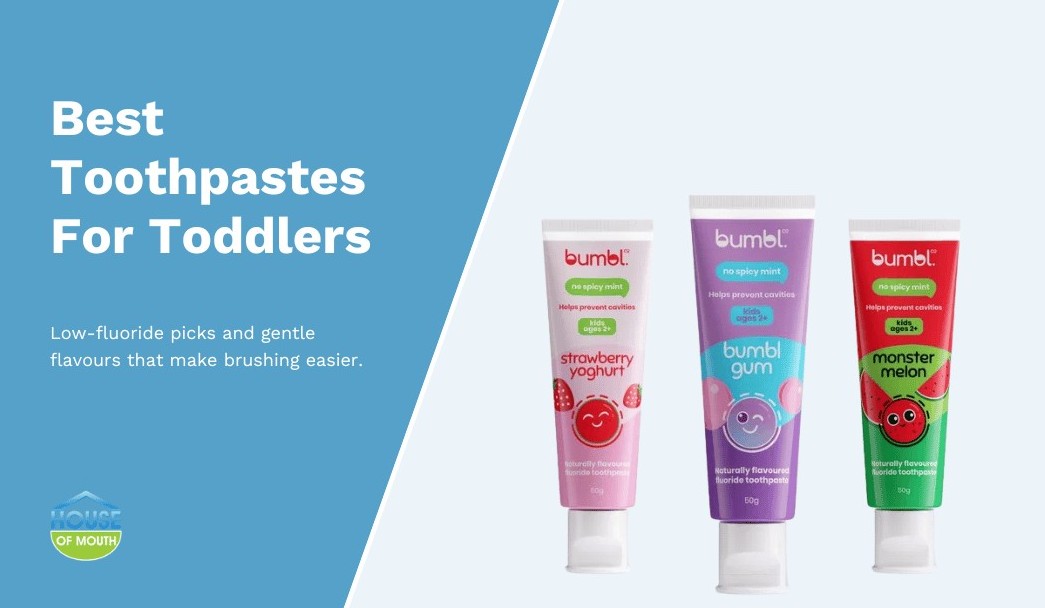
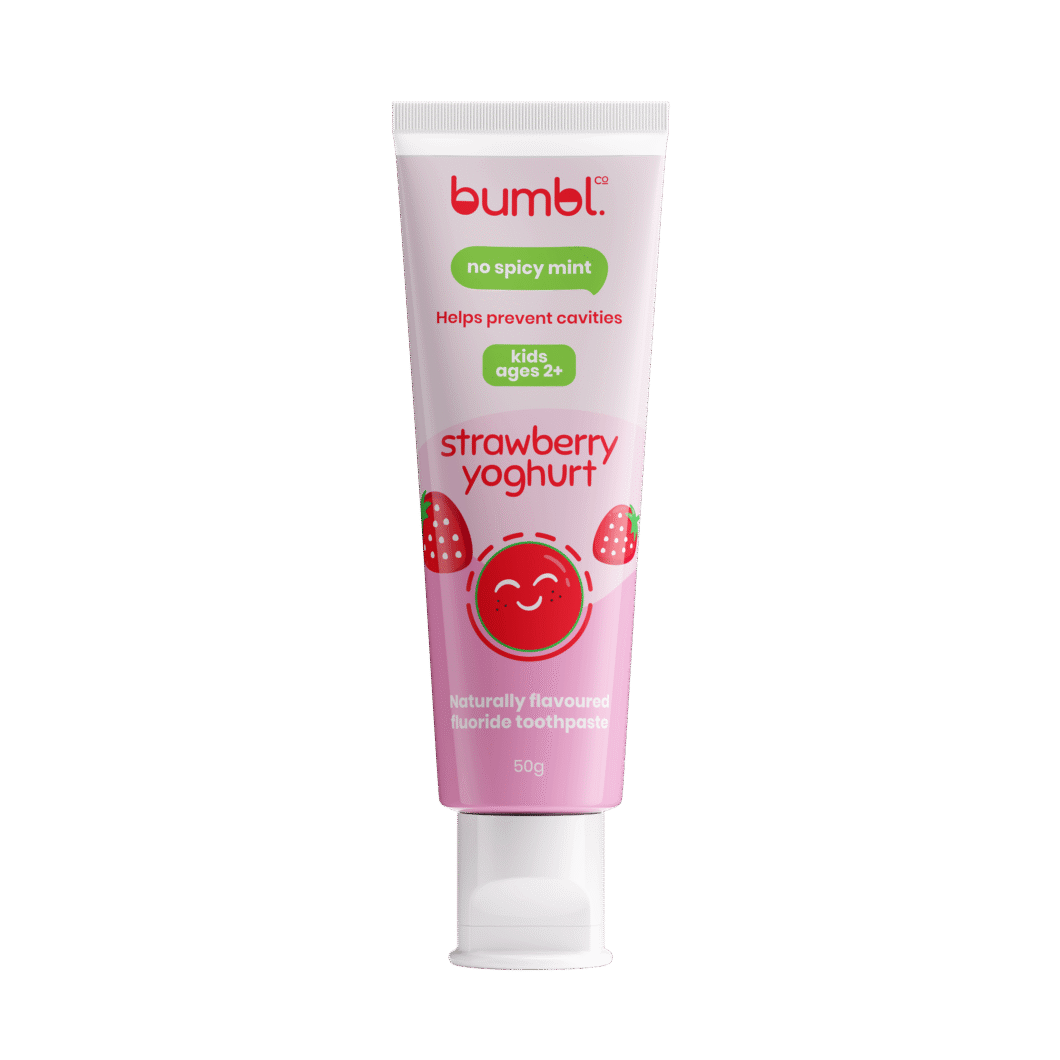
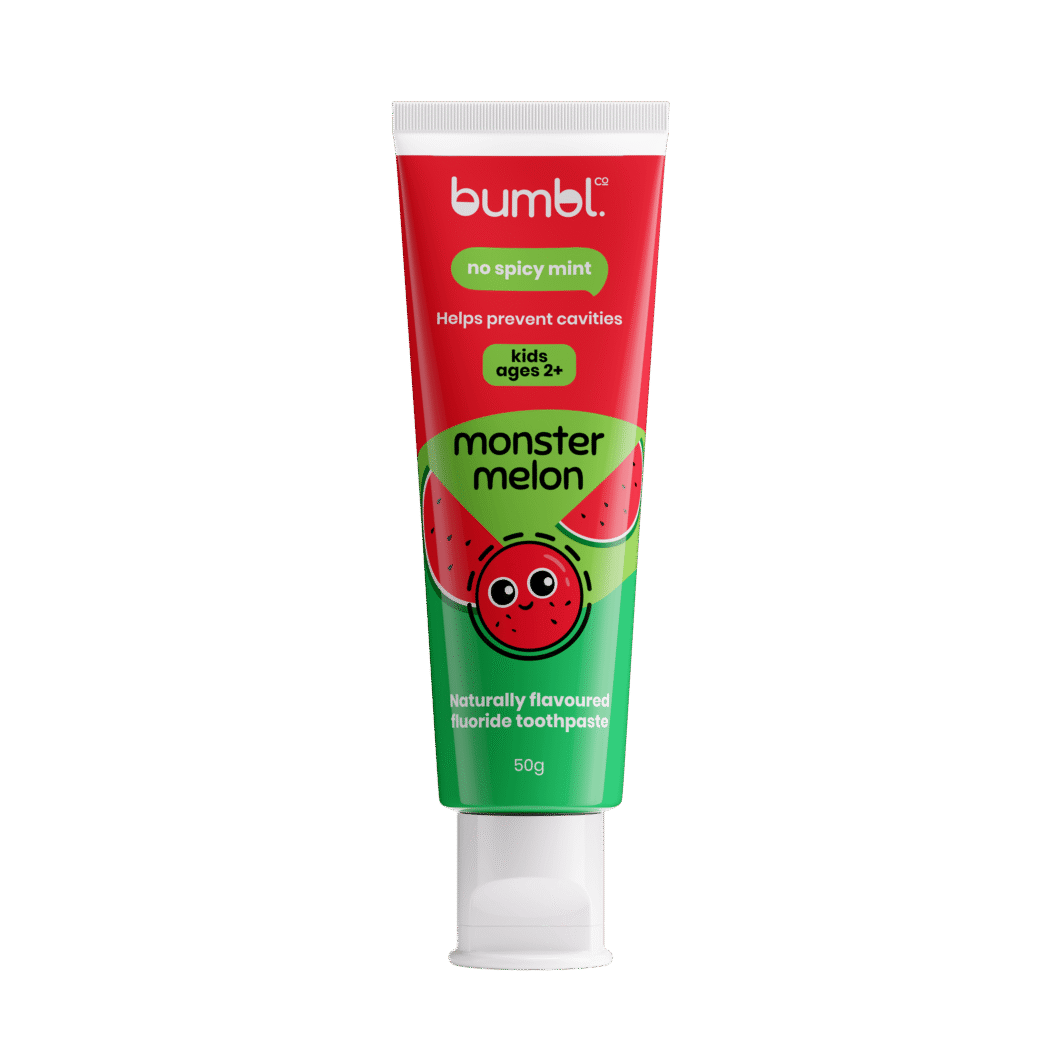
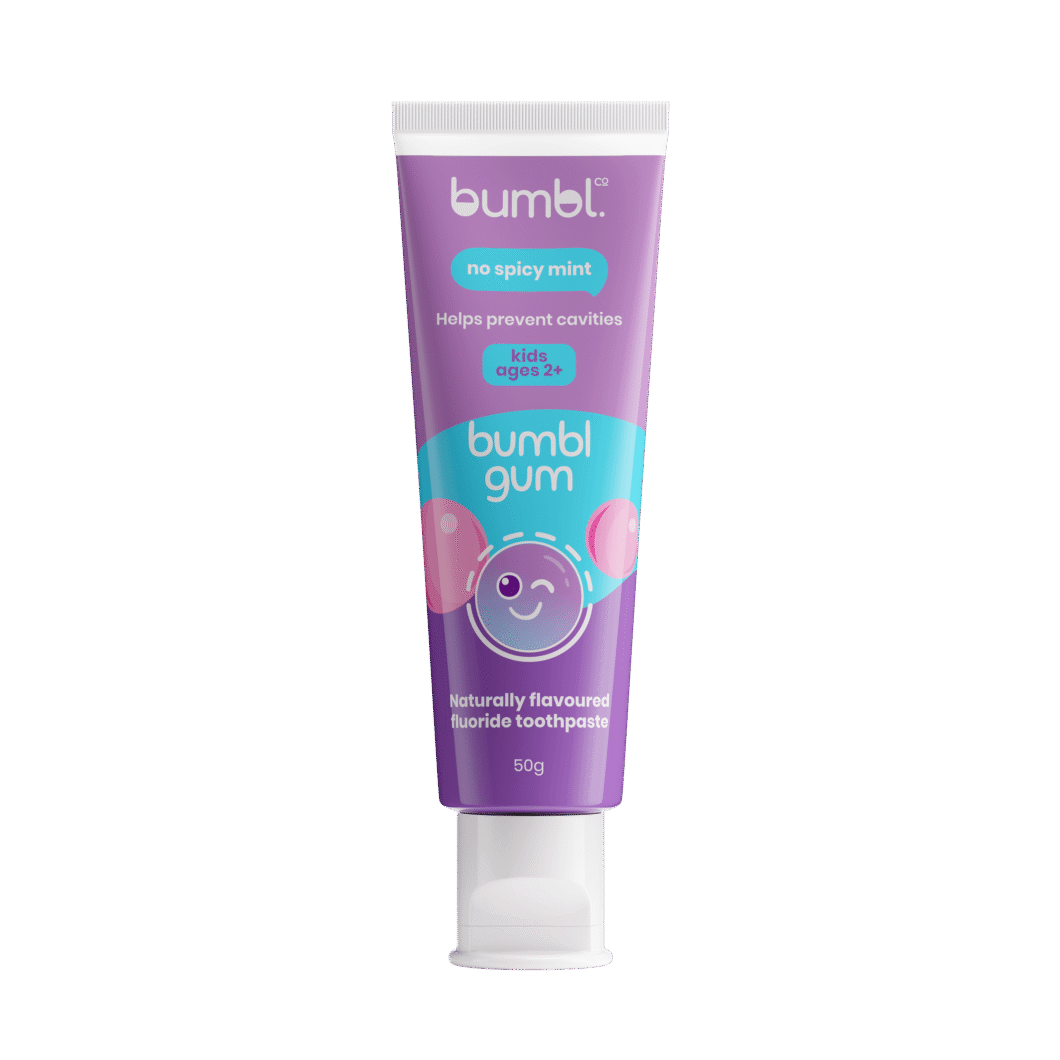
Bumbl Co is a low-fluoride toddler toothpaste with fun flavours, including Melon, Strawberry and Bubble Gum.
With 500ppm fluoride, it suits many toddlers over 18 months when used with adult supervision. The flavour range also makes it easier for parents to find an option their child accepts.
Best for: Toddlers who resist brushing or prefer sweeter, fruitier flavours.
Why we like it: It combines age-appropriate fluoride with flavours that make brushing feel less like a chore.
Piksters Vanilla is a low-fluoride toothpaste for toddlers who dislike mint.
The 550ppm fluoride level gives parents a children’s toothpaste option that supports decay prevention, while the vanilla flavour keeps the taste soft and gentle.
Best for: Toddlers who are sensitive to strong flavours.
Why we like it: Vanilla is mild, easy to accept and a good first flavour for young children.
Piksters Mint is a low-fluoride toothpaste for toddlers who are ready for a fresher taste.
The 550ppm fluoride level suits the children’s toothpaste category, while the mint flavour works well for toddlers who do not enjoy sweet or fruity options.
Best for: Toddlers who already tolerate mild mint.
Why we like it: It gives parents a simple, fresh-tasting fluoride option without moving to adult toothpaste.
Curaprox Strawberry is a fluoride-free toothpaste for families who specifically want a non-fluoride option.
It can help toddlers build brushing confidence through a gentle strawberry flavour. It is important to note that fluoride-free toothpaste does not provide the same fluoride-based decay protection as low-fluoride toothpaste.
Best for: Families using fluoride-free toothpaste by preference or dental advice.
Why we like it: It gives parents a gentle flavour option while toddlers are learning to accept brushing.
Low-fluoride toothpaste is generally the preferred choice for toddlers over 18 months because fluoride helps protect teeth from decay. Fluoride-free toothpaste can still help children build the habit of brushing, but it does not offer the same fluoride protection.
Parents do not need to guess if they are unsure. A dentist can recommend the right toothpaste based on your child’s teeth, diet, water exposure and decay risk.
Toddlers only need a small pea-sized amount of toothpaste. More toothpaste does not mean a better clean.
Brushing technique, supervision and consistency matter more than using extra product. Parents should brush or help brush until children have the coordination to do it properly themselves.
A good toddler brushing routine looks like this:
Brushing before bed is especially important because saliva flow drops during sleep. This gives food particles and bacteria more time to sit on the teeth overnight.
Toddler brushing works best when the routine feels calm, simple and repeatable.
Let your child choose between 2 toothpaste flavours, such as strawberry or vanilla. Use a short song or 2-minute timer. Brush your teeth at the same time so your toddler can copy you. Praise the effort, not just the result.
Some toddlers need time to accept brushing. A flavour change, softer toothbrush or more playful routine can make a big difference. If your child refuses brushing often, keep the routine short and consistent rather than turning it into a daily battle.
The House of Mouth makes it easier to choose toddler toothpaste that suits your child’s age, taste preferences and brushing routine.
Shop our range of children’s toothpaste options, including low-fluoride and fluoride-free formulas from trusted oral care brands. Whether your toddler prefers strawberry, vanilla, mint, melon or bubble gum, you can find a gentle option that helps make brushing feel easier.
Browse kids’ oral care online today and support healthier habits from the start.
The best toothpaste for toddlers is usually a low-fluoride children’s toothpaste with around 500–550ppm fluoride. The best flavour depends on the child, with strawberry, melon, vanilla, bubble gum and mild mint all suitable options.
A 2-year-old can generally use low-fluoride children’s toothpaste with adult supervision. Parents should use a small pea-sized amount and encourage the child to spit out after brushing.
Fluoride-free toothpaste is not generally better for toddlers. It can help with brushing routine and flavour acceptance, but low-fluoride toothpaste provides fluoride-based decay protection for toddlers over 18 months.
A toddler only needs a small pea-sized amount of toothpaste. Parents should supervise brushing and keep toothpaste out of reach between uses.
The best toothpaste flavour for toddlers is the one they accept consistently. Strawberry, melon, bubble gum, vanilla and mild mint are common toddler-friendly options.
Spend $99+ excl. Shipping
Excludes Power Brushes/Flossers, Xylimelts, cloSYS, & Multi Quantity Discounts.


No product listings...
No product listings...
No product listings...
No product listings...
No product listings...
No product listings...
No product listings...
No product listings...
No product listings...
No product listings...
No product listings...
No product listings...
No product listings...
No product listings...
No product listings...
No product listings...
No product listings...
No product listings...
No product listings...
No product listings...
No product listings...
No product listings...
No product listings...
No product listings...
No product listings...
No product listings...
No product listings...
No product listings...
No product listings...
No product listings...
No product listings...
No product listings...
No product listings...
No product listings...
No product listings...
No product listings...
No product listings...
No product listings...
No product listings...
No product listings...

 (07) 55 34 8603