

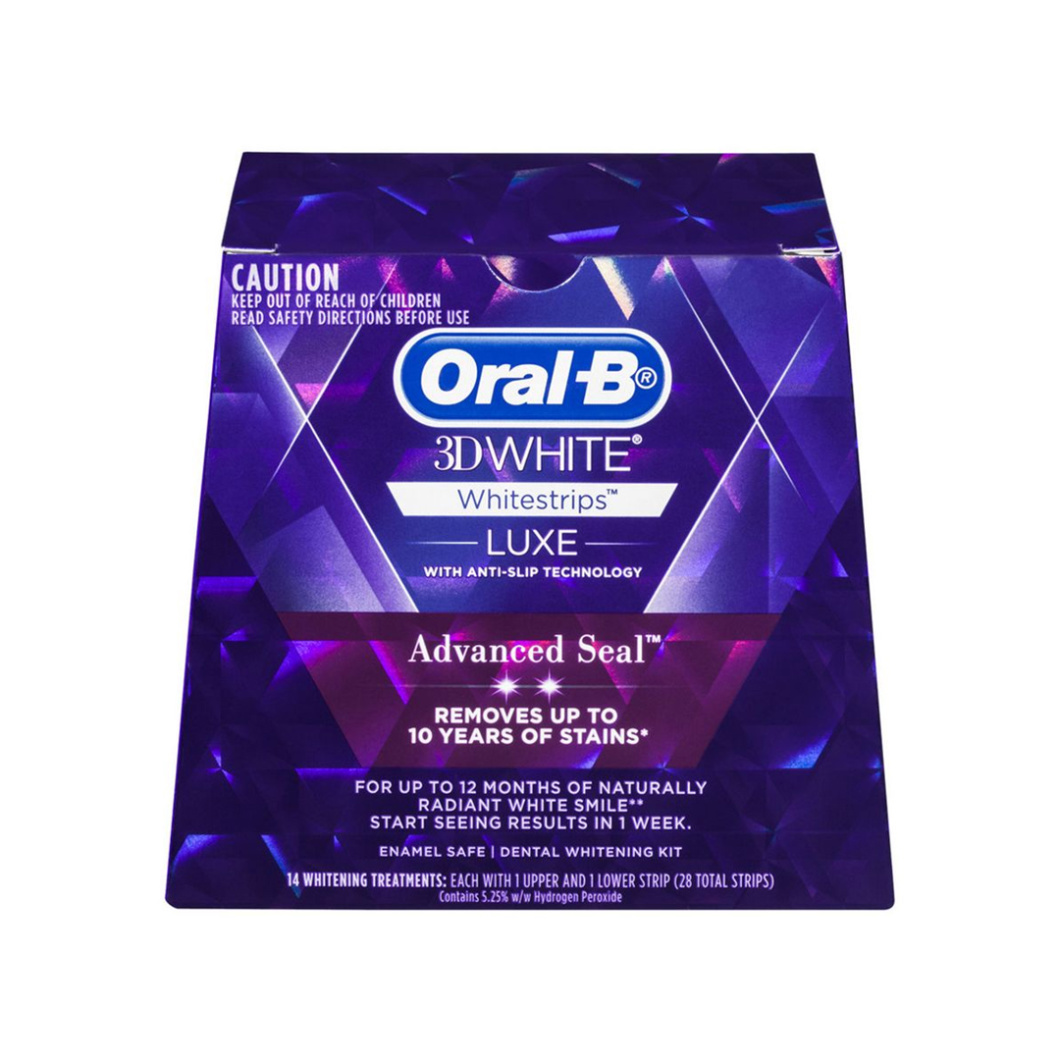
- Select options This product has multiple variants. The options may be chosen on the product page
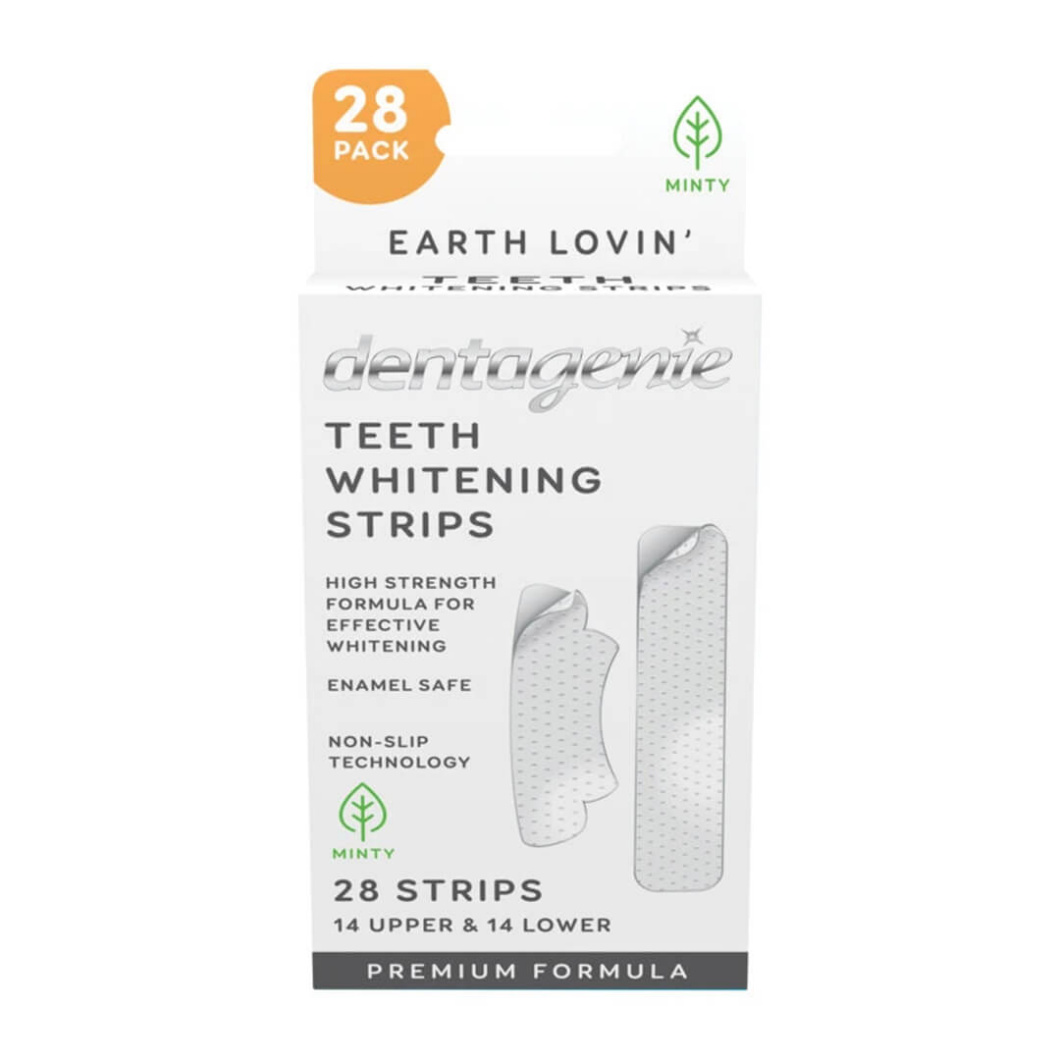
- Select options This product has multiple variants. The options may be chosen on the product page
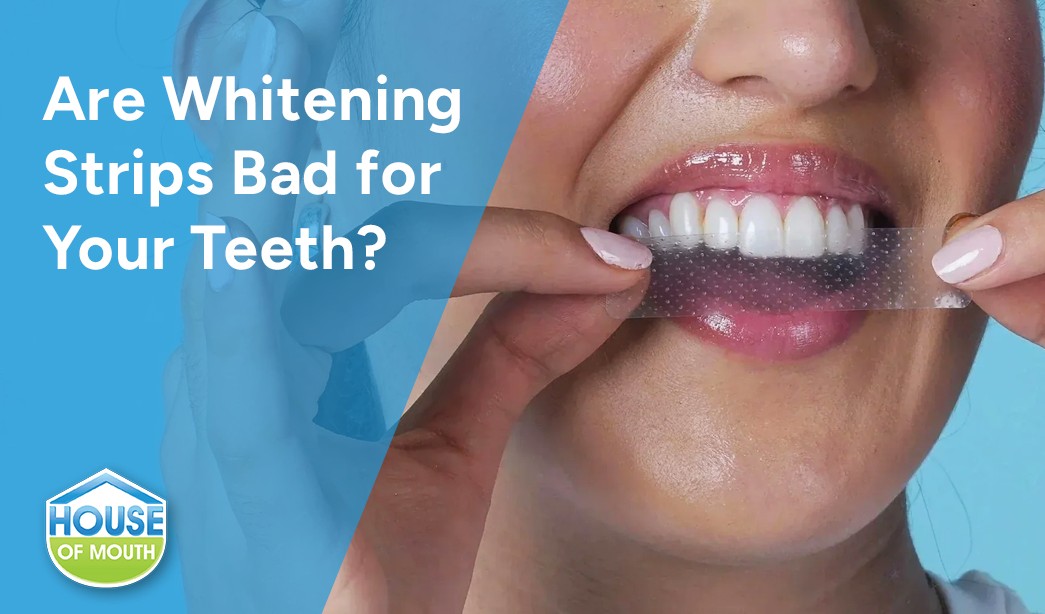
No, teeth whitening strips are not inherently bad for your teeth when used correctly. They contain peroxide-based gels that safely lift stains. Problems arise with overuse, poor application, or low-quality products, which can lead to sensitivity and uneven results.
Teeth whitening strips are thin, flexible plastic strips coated with a peroxide-based whitening gel. They are applied directly to the teeth and worn for a set period, usually between 30 and 60 minutes.
The active ingredient is typically hydrogen peroxide or carbamide peroxide. These ingredients break down stains within the enamel to create a lighter tooth shade.
Whitening strips are widely available over the counter and are designed for convenience, making them a popular entry-level whitening option.
Teeth whitening strips are safe for most people when used as directed. The risks come from misuse rather than the product itself.
Issues can occur when strips are:
When used properly, whitening strips do not permanently damage enamel. Most side effects are temporary and manageable.
Tooth sensitivity is the most common side effect. Peroxide temporarily opens pores in the enamel, which can expose nerve endings.
This sensitivity usually fades within 24 to 48 hours after treatment.
Gum irritation occurs when the whitening gel comes into contact with soft tissue.
This can cause:
Proper placement reduces this risk.
Whitening strips sit flat across the teeth, which can lead to inconsistent contact.
This can result in:
Teeth that are crowded or misaligned are more likely to show uneven whitening.
Whitening can cause temporary dehydration of the enamel, which may make teeth appear chalky or overly white immediately after use.
This effect typically resolves within a few hours as the teeth rehydrate.
Whitening strips are considered safe when used according to the manufacturer’s instructions. Always be sure to follow the manufacturer instructions that are provided with the product.
Safe use includes:
People with cavities, gum disease, or exposed roots should address these issues before whitening.
See our recommended whitening strip options, and why we rate them.
Different teeth whitening products vary in strength, application, and results. Here’s how the most common options compare:
| Feature | Whitening Strips | Whitening Pens | Whitening Gels & Trays | Whitening Toothpaste |
| Application | Pre-coated strips applied to teeth | Brush-on gel applied directly | Gel placed into trays for full coverage | Brushed onto teeth daily |
| Fit | One-size-fits-all | Targeted application | Custom or moulded trays | No fit required |
| Coverage | Front surface only | Spot treatment | Full tooth surface coverage | Surface-level only |
| Strength | Low to moderate | Low to moderate | Moderate to higher controlled strengths | Very low (non-peroxide or mild) |
| Results | Moderate | Mild, gradual | More consistent and noticeable | Minimal whitening effect |
| Sensitivity Control | Basic | Basic | Built-in desensitising agents | Very low risk |
| Best For | Convenience and beginners | Touch-ups and maintenance | Full whitening treatment | Maintaining results |
Products like PolaDay and PolaNight use clinically developed formulas with controlled peroxide levels and desensitising ingredients.
They are applied using trays, which helps ensure even coverage across all tooth surfaces.
Whitening toothpastes help maintain results by removing surface stains from foods and drinks such as coffee, tea, and red wine.
These are best used as part of an ongoing oral care routine rather than a primary whitening solution.
For deeper stains or faster results, in chair teeth whitening provides the highest level of control and safety.
This approach is particularly useful for:
Whitening strips are a convenient and effective option when used correctly. They suit many people looking for an easy way to improve the appearance of their teeth at home.
Like any whitening method, results depend on the product, how it is used, and your individual teeth. Some people prefer strips for their simplicity, while others choose gels or trays for more control and coverage.
If you are ready to improve your smile, see our top picks when it comes to teeth whitening products and choose the approach that fits your routine, comfort level, and goals.
Spend $99+ excl. Shipping
Excludes Power Brushes/Flossers, Xylimelts, cloSYS, & Multi Quantity Discounts.


No product listings...
No product listings...
No product listings...
No product listings...
No product listings...
No product listings...
No product listings...
No product listings...
No product listings...
No product listings...
No product listings...
No product listings...
No product listings...
No product listings...
No product listings...
No product listings...
No product listings...
No product listings...
No product listings...
No product listings...
No product listings...
No product listings...
No product listings...
No product listings...
No product listings...
No product listings...
No product listings...
No product listings...
No product listings...
No product listings...
No product listings...
No product listings...
No product listings...
No product listings...
No product listings...
No product listings...
No product listings...
No product listings...
No product listings...
No product listings...
No product listings...
No product listings...


 (07) 55 34 8603